Overview
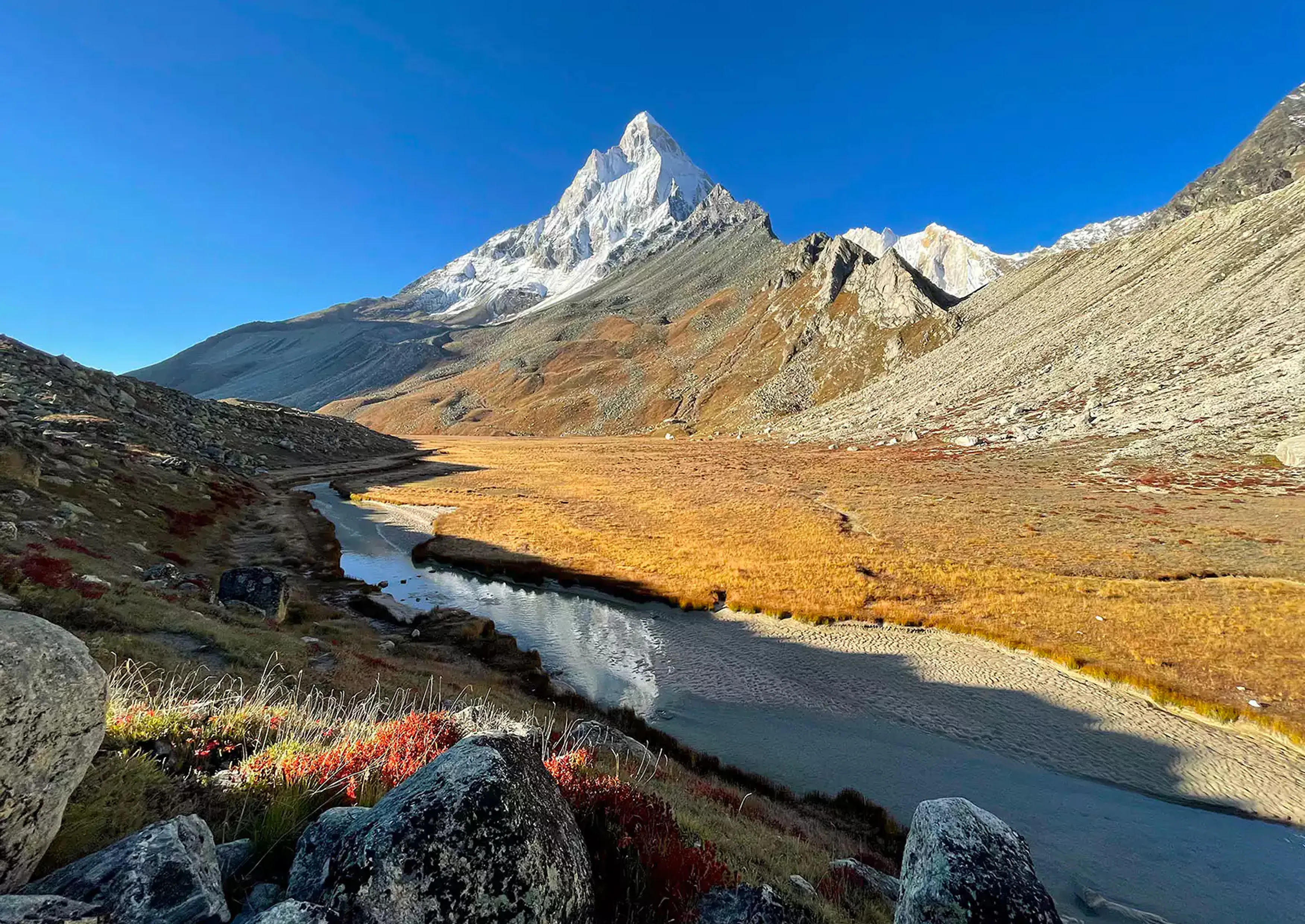
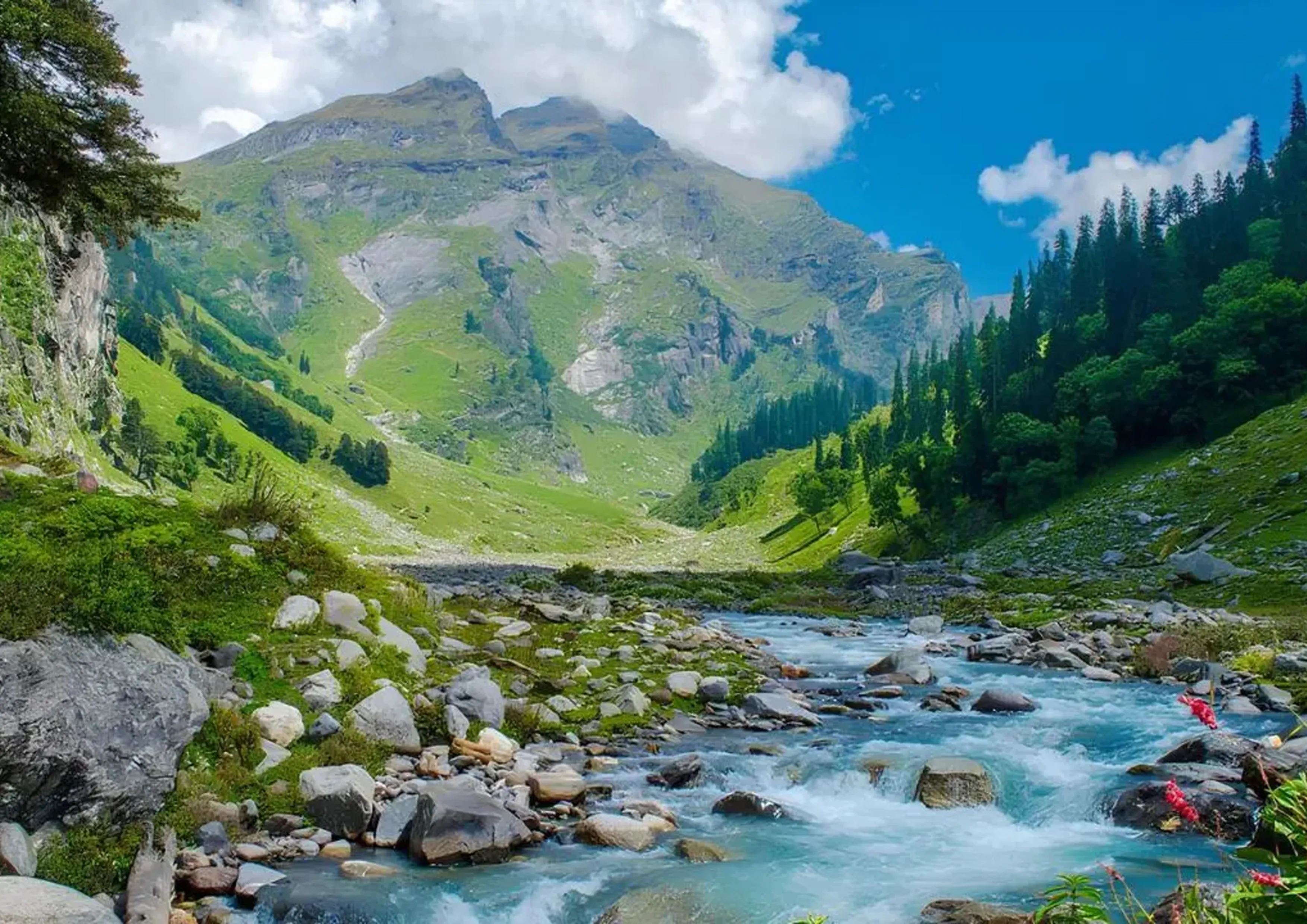
The Har Ki Dun Trek, often called “The Valley of the Gods,” is one of the most enchanting river-valley treks in the Garhwal Himalayas. Nestled at 12,000 ft, this ancient cradle-shaped valley is wrapped in alpine forests, snow-covered ridges, and traditional Himalayan culture.
Linked to mythological stories of the Pandavas’ ascent to heaven, Har Ki Dun’s landscape is equally rich in natural beauty — from dense pine forests to lush meadows, cascading streams, and quiet mountain villages that retain centuries-old traditions.
The valley is the birthplace of the Yamuna River, and is connected to the Baspa Valley via the historic Borasu Pass. Trekkers are treated to dramatic views of towering peaks such as:
1. Swargarohini I & II
2. Black Peak (Kala Nag)
3. Bandarpoonch
4. Jaundhar Glacier
With diverse wildlife including Himalayan Monal, barking deer, and mountain foxes, Har Ki Dun is a paradise for nature lovers, photographers, and adventure seekers. This trail is perfect for trekkers who enjoy varied landscapes and want to experience remote Himalayan culture up close.
Detailed Itinerary
Day 1: Dehradun → Sankri (Drive)
Begin your journey with a scenic drive via Mussoorie, winding along the Yamuna and later the Tons River. Enjoy pine forests, mountain vistas, and charming villages en route.
Reach Sankri by evening, check into your campsite, and take an easy acclimatization walk around the village. Overnight stay in Sankri.
Day 2: Sankri → Taluka → Puani Garaat (Trek)
Drive to Taluka, the starting point of the trek. The trail meanders beside the Supin River, passing through mixed forests, waterfalls, and traditional wooden houses.
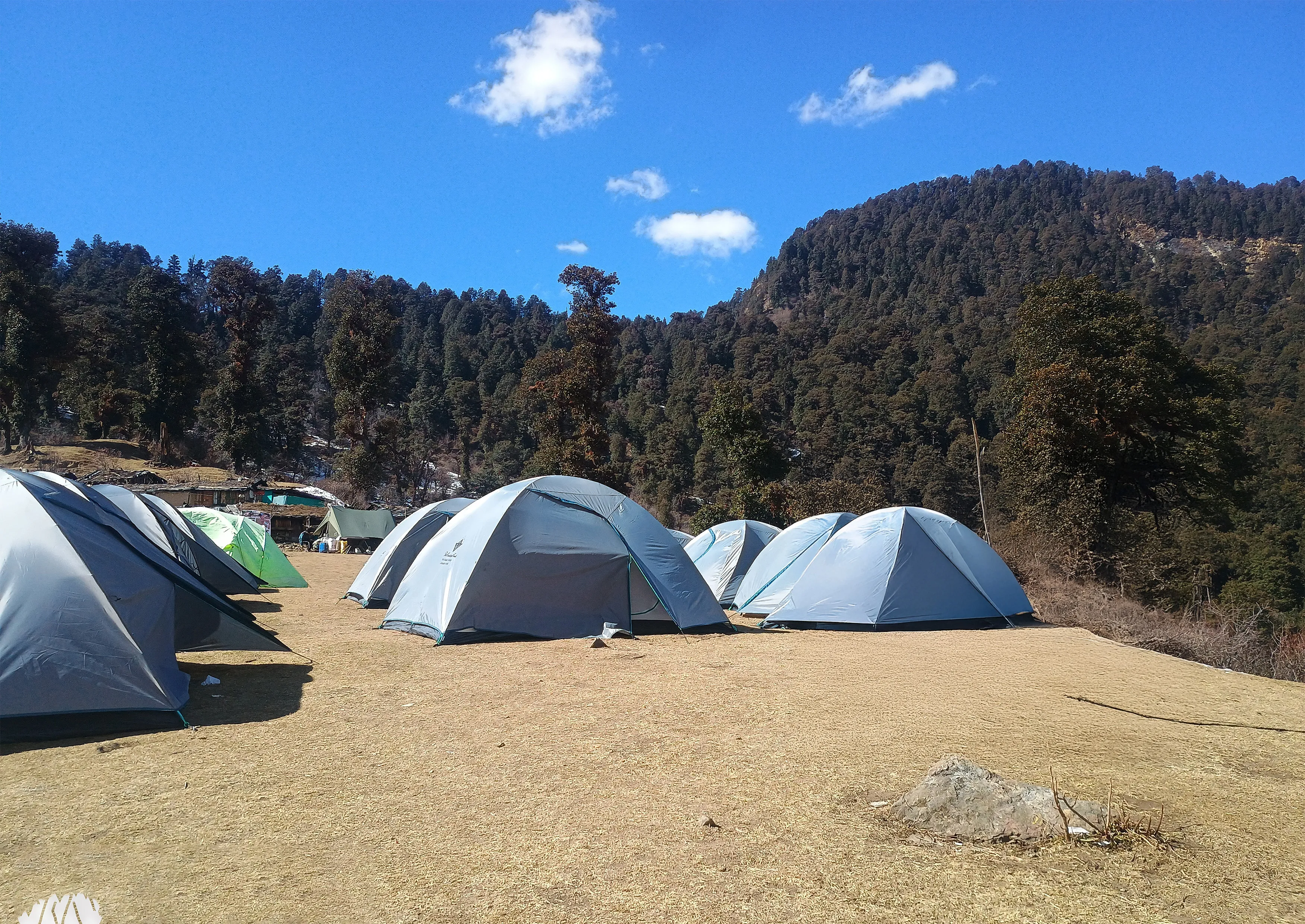
The route is mostly gentle with a few short climbs. By afternoon, you’ll reach Puani Garaat, a serene riverside campsite. Overnight stay in tents.
Day 3: Puani Garaat → Osla → Kalkatiyadhaar
Start your day by trekking to Osla Village, located at around 8,500 ft. Osla is known for its unique culture, remote charm, and the ancient temple dedicated to Duryodhana.
From here, the trail becomes more undulating, crossing two small lakes and a wooden bridge. Meadows, forest clearings, and glacier-fed streams guide you into Kalkatiyadhaar (2,692 m) — a beautiful campsite with wide views of surrounding valleys. Overnight stay in tents.
Day 4: Kalkatiyadhaar → Har Ki Dun Valley
Today you enter the heart of the valley. Start early as the trail climbs steadily through alpine meadows, rocky paths, and pine thickets.
As you approach Har Ki Dun, the scenery transforms — snowy slopes, frozen waterfalls (in winter), and breathtaking mountain walls.
The views of Swargarohini, Hata Peak, and Black Peak from this valley are unforgettable. Explore the region and absorb the serenity before settling for the night.
Day 5: Har Ki Dun → Osla → Puani Garaat
After breakfast, begin your descent, following the same route through Osla. Enjoy interacting with villagers and reliving the scenic patches you crossed earlier.
Reach Puani Garaat by afternoon and unwind beside the peaceful river.
Day 6: Puani Garaat → Taluka → Sankri
Descend to Taluka through the familiar forested trail, making stops at your favourite viewpoints along the way.
At Taluka, vehicles will be waiting to drive you back to Sankri, where a warm meal and comfortable stay await.
Inclusions
-

Accommodation in guesthouses and tents (Day 1–7)
-
Nutritious vegetarian meals from Day 1 dinner to Day 7 breakfast
-
Round-trip transportation Dehradun ↔ Dehradun (if opted)
-
All forest permits and camping fees
-
High-quality tents, sleeping bags (-10°C), gaiters, microspikes & ropes
-
Professional trek leader, trained guides, cooks, and support staff
Exclusions
-

Porter charges for personal luggage
-
Emergency evacuation or additional medical expenses
-
Bottled water or personal beverages
-
Transport cost from Dehradun to Sankri (₹1,000–₹1,500 approx., if not included)